

One border, many journeys: Migrants, Refugees and Asylum Seekers
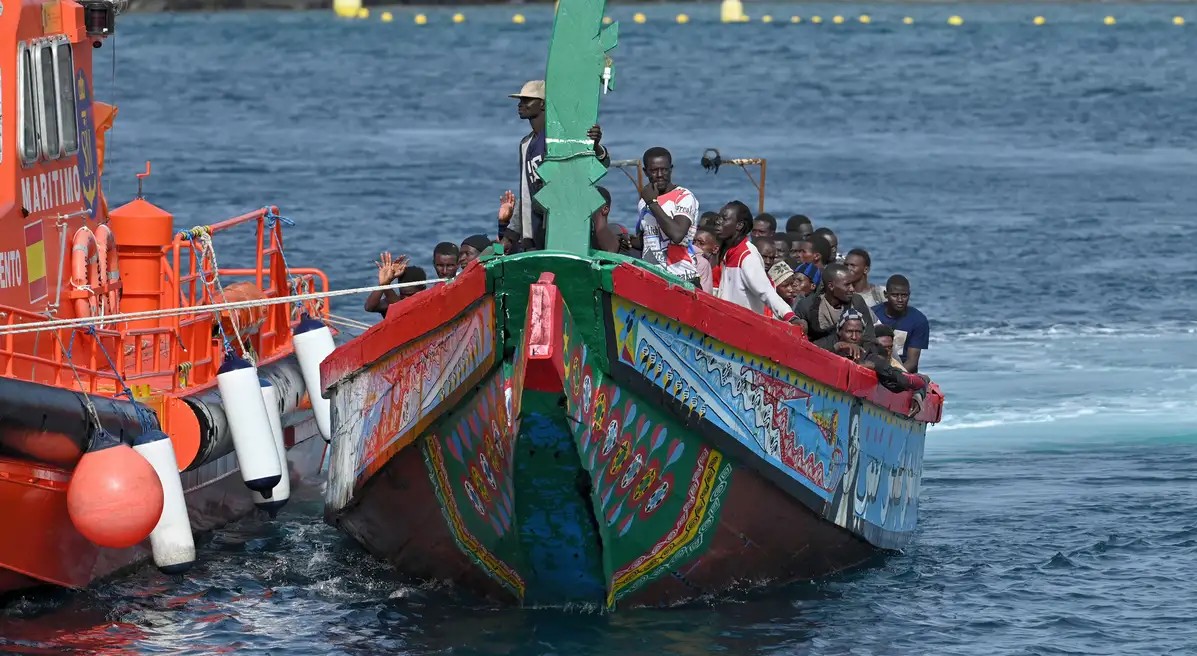
If you are tasked with asking ten people what separates migrants from refugees, there is a high likelihood you will get ten different answers, and the distinction is far from academic. UNHCR explains that refugees are defined and protected by international law, including the 1951 Refugee Convention (UNHCR, 1951) and the 1969 OAU Convention (UNHCR, 1969), while migrants are generally recognized under each country’s own immigration rules. The blog takes inspiration from the journal titled “Childhood Experiences, Self-Efficacy, and Migration...
Sexual Violence Against Refugees in Sudan’s El Fasher
The conflict in Sudan’s North Darfur region has spiralled into one of the most devastating humanitarian crises in recent years. In El Fasher, relentless violence has uprooted tens of thousands of civilians. Survivor’s testimonies reveal patterns of targeted brutality, underscoring the deliberate dismantling of civilian life and the erosion of basic human dignity. The conflict in Sudan, particularly in North Darfur’s capital El Fasher, has triggered a severe humanitarian catastrophe marked by mass...
Tigray & Ethiopia: Post-conflict displacement and the challenge of reintegration
Introduction Three years after the Tigray conflict in Ethiopia ended, the human cost of the war is still painfully visible. Tens of thousands of people remain displaced and struggling to maintain their livelihoods and access basic services. Behind all of the basic needs and services after a war, we often forget or ignore the psychological trauma caused by violence, loss and displacements. For many, the mental scars of the conflict persist for...

Non-Refoulement under Strain: South Africa’s Asylum System and Regional Displacement
The southern African political and social landscape is highly influenced by features of migration and forced displacement. Cross-border migration has continuously been driven by conflicts, economic instability, and environmental stress from within and neighbouring African countries. Yet, at the heart of all this tension is the principle of non-refoulement, which is a cornerstone of international human rights law that prohibits returning refugees/migrants to situations of harm (UNHCR, 2025). Understanding non-Refoulement

Cholera Outbreak in Sudan and Chad: Escalating Public Health and Humanitarian Crisis
A cholera outbreak in eastern Chad’s refugee settlements, particularly Dougui and Treguine, has intensified the humanitarian challenges facing Sudanese arrivals displaced by conflict in Darfur. As of August 2025, Dougui has recorded 264 cases and 12 deaths, with suspected cases also reported in other high-risk border areas such as Adre. Across the border in Darfur, health authorities and humanitarian agencies report more than 4,300 cases and 113 deaths amid continuing violence and mass displacement. Transmission is being accelerated...

Kakuma Refugee Camp: A Case Study in Integration Amid Global Humanitarian Retrenchment
Kakuma Refugee Camp, located in Turkana County, Kenya, has undergone a notable transformation since its establishment over two decades ago. Originally conceived as a temporary shelter, the camp now hosts more than 150,000 refugees, primarily from South Sudan and Somalia (Theresa Beltramo and Utz Pape, 2021). Over time, Kakuma has evolved into a semi-urban settlement characterised by a robust informal economy. According...
