

Migration and Its Economic Implications in Nigeria
Nigeria is Africa’s largest country with the biggest number of populations reaching a high number of 236 747 130 people and about 91,551 refugees and asylum seekers as of 2024 (SIHMA, 2025). With Nigeria experiencing a notable rise in emigration, driven by a combination of economic hardship, high unemployment, insecurity and weak institutions, alongside opportunities abroad. Economic policy uncertainty (EPU) and geopolitical risk (GPR) are key drivers of migration, with EPU exerting a stronger nationwide effect, while localised insecurity motivates reginal movement.
The institutional quality plays a major role and can reduce migration outflows and help retain skilled workers. Empirical analysis using EPU, GPR and government indicators show that these factors can reliably predict migration trends with stronger institutions enhancing forecast accuracy. The findings underscore the need to address economic instability, strengthen institutions, and implement targeted retention strategies to mitigate brain drain and support sustainable development in Nigeria (Ojo J. Adelakun, Fatima A. Mohammed, Abeeb O. Olaniran & Taiwo H. Odugbemi, 2025). Olusegun Ojo’s research examines the impact of immigration on the Nigerian economy, highlighting that it is highly driven by nigeria’s factor endowments such as crude oil and shortages of skilled labour in technology, medicine and agriculture. Immigrants have contributed to the economic performance by filling gaps, particularly in non-oil related sectors like communications and trade, which have seen huge growth. Ojo notes that immigration has dual effects: Skilled expatriates address labour shortages, while low-skilled workers expand labour supply and reduce production costs. However, immigration also brings challenges including cultural diffusion, displacement of local workers, and wage effects depending on labour replaceability. The study concludes that immigration in Nigeria has both positive and negative impacts, promoting development while creating social, cultural and labour market pressures (Ojo, 2015).
Irina Karzanova’s paper explores how both internal and international migration influence nigeria’s development. Migration helps reduce unemployment and contributes significantly to foreign earnings, with remittances surpassing both Foreign Direct Investment (FDI) and Net Official Development Assistance (NODA) inflows. Internal migration is largely rural-urban, driven by limited job opportunities, insecurities, insufficient infrastructure and poor social services. International migration is influenced by employment prospects, education and forced displacement. Brain drain is particularly concerning with the most educated and economically active professionals especially in healthcare, engineering and technology leaving Nigeria. At the same remittances representing 3.68% – 5.85% of GDP between 2014 and 2017 are a critical source of income, making Nigeria the largest recipient of remittances in sub-Saharan Africa. While immigration adds to economic activities by complementing domestic skills, supporting refugees and asylum seekers strain public finances. In short Migration contributes positively to economic growth, especially in non-oil sectors, but persistent political and socio-economic challenges continue to drive Nigerians abroad, emphasing the need for improved job creation, living conditions and diaspora engagement (Karzanova, 2019). A study by Ugwoegbu, Ihechukwu Victor, Okoro, Ruth Chikwado, and Obijiaku, Chimamkpa Promise (2024) further elaborates on migration’s economic implications. Internal migration is propelled by inadequate rural infrastructure, limited employment, insecurity, including Boko Haram insurgencies and the search for better education and amenities, leading to urban migration to cities like Lagos, Abuja, and Port Harcourt. International migration includes both skilled and unskilled workers, with a significant brain drain affecting healthcare professionals and other highly trained specialists who move to the US, UK, and other advanced economies. Forced migration, such as refugees from Cameroon, adds further strain to national finances. The study concludes that migration has both positive and negative effects and stresses that Nigerians will continue to migrate unless political and socioeconomic conditions improve. Strengthening job creation, governance, and local opportunities is critical to retaining talent (Ugwoegbu, Ihechukwu Victor1, Okoro, Ruth Chikwado2, Obijiaku, Chimamkpa Promise, 2024).
The United Nations Academic Impact (UNAI) article highlights Aderanti Adepoju’s analysis of migration across Africa, describing the continent as “on the move.” Migration is largely driven by labour mobility, refugee flows and internal displacement particularly among youth, who face high unemployment, poor education and limited job opportunities. Africa hosts over 31 million migrants, primarily within the continent and more than 26% of the world’s refugees with internal displacement affecting 12.5 million people in 21 sub-Saharan countries including Nigeria. Migration in Nigeria presents a complex mix of opportunities and challenges. While it contributes to economic growth through remittances, skill complementarity and diaspora engagement. It also exacerbates brain drain, social pressures and fiscal strain. Addressing economic instability, improving governance, creating local opportunities and investing in infrastructure are essential to manage migration effectively and harness its potential for sustainable development.
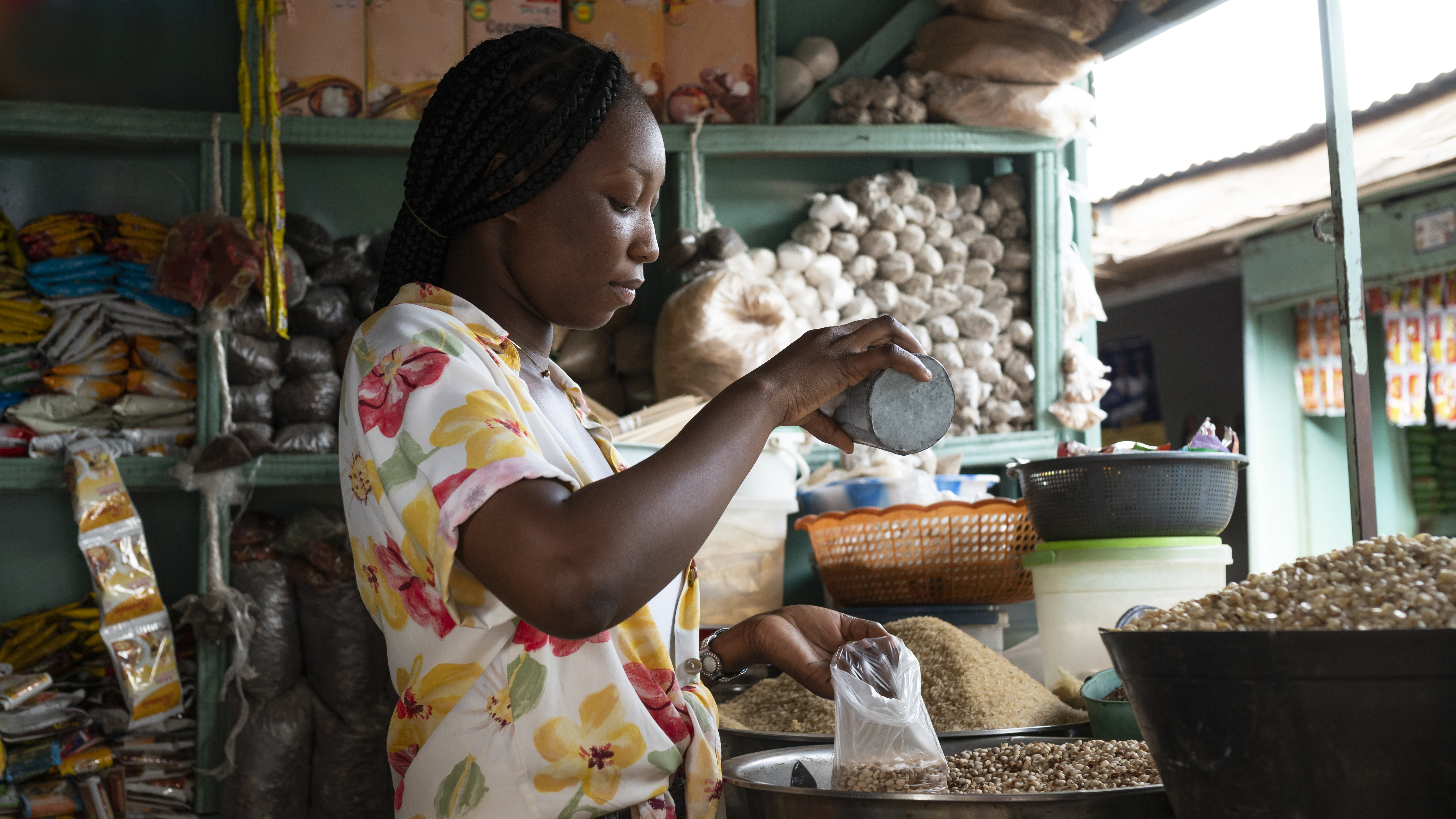
Photo by Freepik
References
Karzanova, I. (2019, July ). Impact of Migration on the Economy of Nigeria: Recent Trends. Retrieved from Research Gate: https://www.researchgate.net/publication/334312429_Impact_of_Migration_on_the_Economy_of_Nigeria_Recent_Trends
Ojo J. Adelakun, Fatima A. Mohammed, Abeeb O. Olaniran & Taiwo H. Odugbemi. (2025, December ). Economic and geopolitical push factors, and migration tendencies in Nigeria: The intervening role of institutional quality. Retrieved from https://www.sciencedirect.com/science/article/pii/S2468227625004259
Ojo, O. (2015, May 8 ). Impact of Immigration on Nigerian Economy. Retrieved from SSRN: https://papers.ssrn.com/sol3/papers.cfm?abstract_id=2603708
SIHMA. (2025). Nigeria. Retrieved from SIHMA: https://sihma.org.za/african-migration-statistics/country/nigeria
Ugwoegbu, Ihechukwu Victor1, Okoro, Ruth Chikwado2, Obijiaku, Chimamkpa Promise. (2024, October 30 ). Immigration and Economic Growth of Nigeria: A study of Awka Youths, Anambra State. Retrieved from IJRISS: https://rsisinternational.org/journals/ijriss/articles/immigration-and-economic-growth-of-nigeria-a-study-of-awka-youths-anambra-state/
United Nations. (2025, September 19). Migration Dynamics, Refugees and Internally Displaced Persons in Africa. Retrieved from United Nations: https://www.un.org/en/academic-impact/migration-dynamics-refugees-and-internally-displaced-persons-africa
Categories:
Tags: